HOT DOG BURNT ENDS
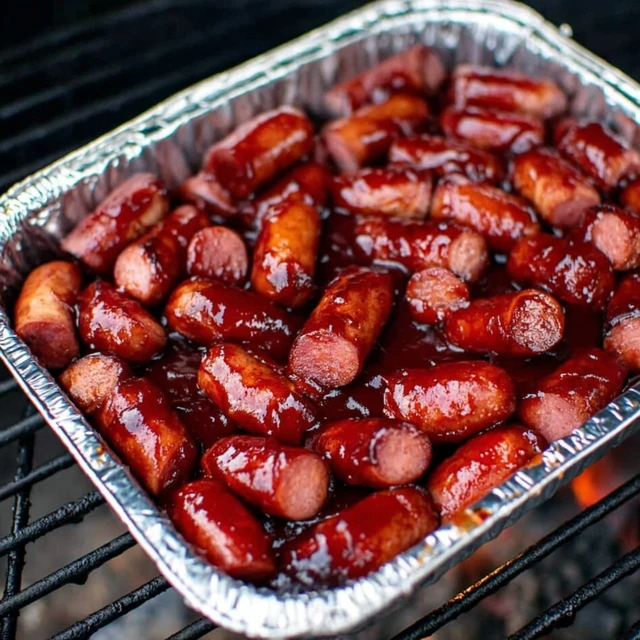
If you love bold BBQ flavor but don’t want to spend all day smoking a brisket, hot dog burnt ends are about to become your new favorite cookout recipe. These irresistible, smoky, bite-sized BBQ treats deliver everything you love about classic burnt ends—sticky glaze, caramelized edges, and deep smoky flavor—using simple hot dogs and your smoker or grill. No fancy equipment, no long cook time, and no big budget required.
Perfect for backyard BBQs, game day spreads, or easy party appetizers, hot dog burnt ends are quick to prep and impossible to stop eating. The smoker adds rich, authentic BBQ flavor, while the grill option keeps things accessible for everyone. Tossed in a sweet-savory BBQ sauce and finished until glossy and caramelized, these burnt ends are proof that great BBQ doesn’t have to be complicated.
If you’re looking for a fun, crowd-pleasing BBQ recipe that looks amazing on Pinterest and delivers big flavor with minimal effort, this is it. Fire up your smoker or grill—you’re just minutes away from a new favorite.
More Recipes To Try
What Are Hot Dog Burnt Ends?
A Smoked BBQ Twist on a Classic
- Inspired by traditional brisket burnt ends
- Uses hot dogs for faster cook time
- Smoked low and slow, then sauced and caramelized
- Also known as “poor man’s burnt ends”
Ingredients You’ll Need For This Recipe
Ingredients (Serves 4–6)
Main Ingredients
- 2 pounds all-beef hot dogs (thick-style works best)
- ½ cup brown sugar (light or dark)
- 2 tablespoons BBQ dry rub (sweet or smoky)
- 4 tablespoons unsalted butter, cut into small cubes
For the Sauce Stage
- ¾ cup BBQ sauce (thick & sticky preferred)
- 1 tablespoon honey (optional, for extra glaze)
- ½ teaspoon garlic powder
- ¼ teaspoon black pepper
Optional Add-Ins
- Pinch of chili flakes (for heat)
- Splash of apple juice (adds moisture + shine)
Ingredient Substitutions & Tips
- Turkey hot dogs work, but won’t caramelize as deeply
- Sugar-free BBQ sauce can be used (expect less stickiness)
- Swap brown sugar with maple syrup for a smoky-sweet twist
How to Make Hot Dog Burnt Ends on a Smoker
Step-by-Step Smoker Instructions
Step 1: Preheat the Smoker
- Set smoker to 225–250°F (107–121°C)
- Use applewood, cherry, or hickory for balanced smoke
Step 2: Prep the Hot Dogs
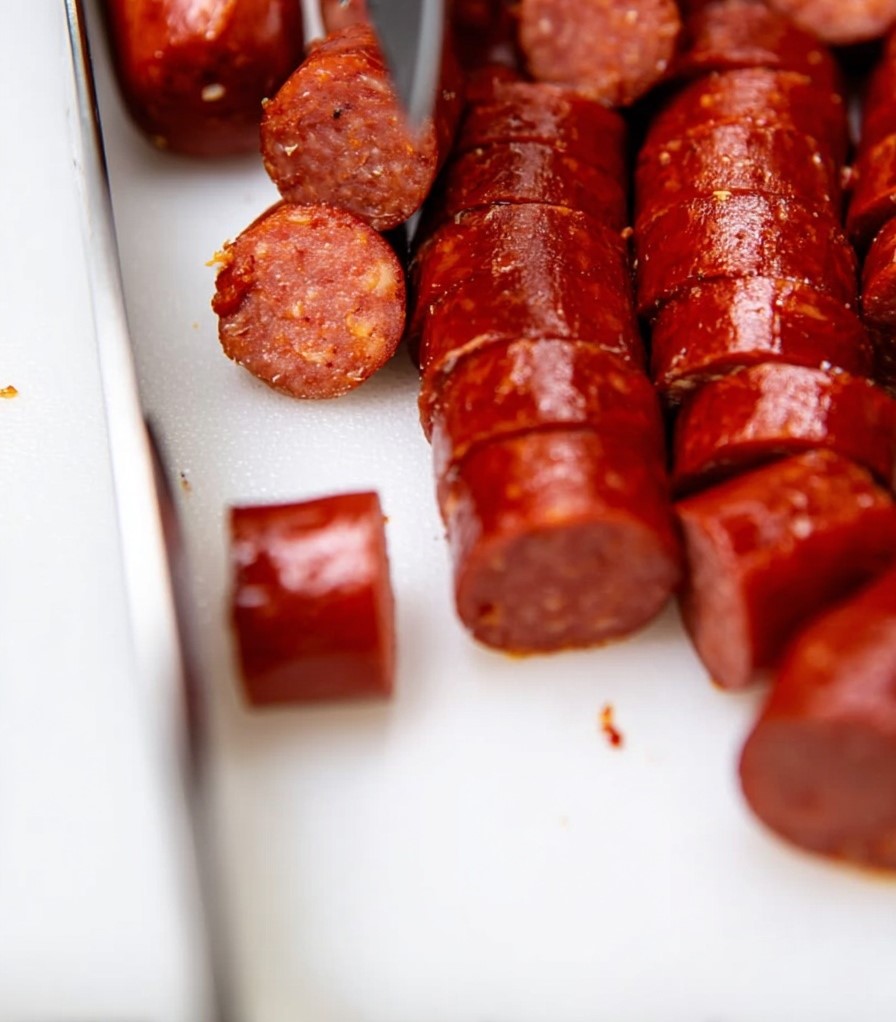
- Slice hot dogs into thick, bite-sized pieces (about 1½ inches)
- Optional: lightly score the tops for better smoke absorption
Step 3: Season & Butter
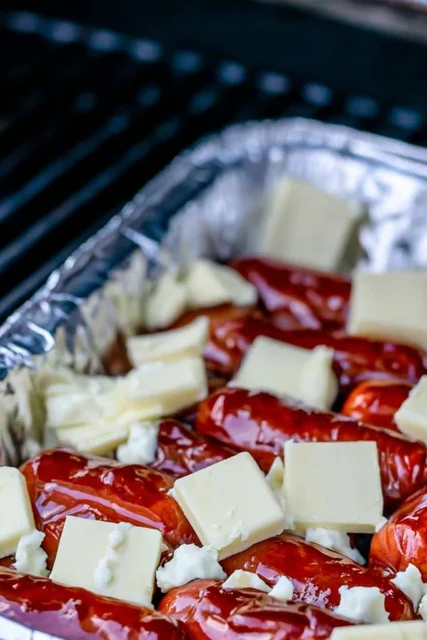
- Place hot dog pieces in a disposable foil pan
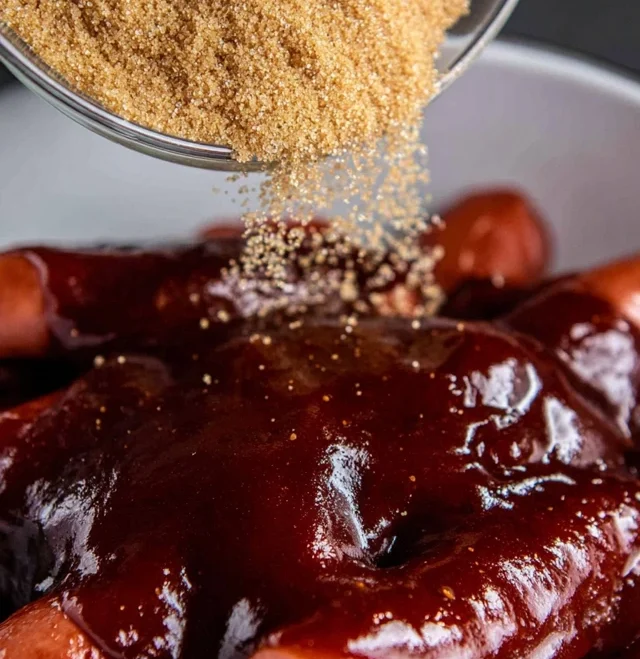
- Sprinkle evenly with BBQ rub and brown sugar
- Add butter cubes throughout the pan
- Toss gently to coat
Step 4: Smoke (First Stage)
- Place pan uncovered in the smoker
- Smoke for 45–60 minutes
- Stir once halfway to expose all sides to smoke
Step 5: Sauce & Finish
- Add BBQ sauce, honey (if using), garlic powder, and black pepper
- Stir gently until well coated
- Return to smoker uncovered
- Smoke for 30–40 more minutes, until glossy and sticky
How You Know They’re Done
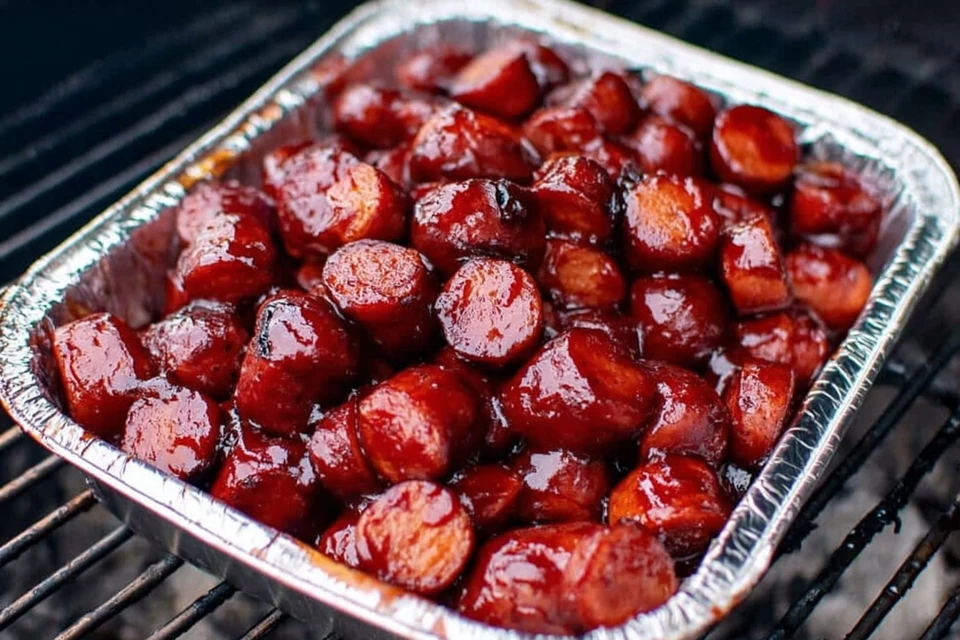
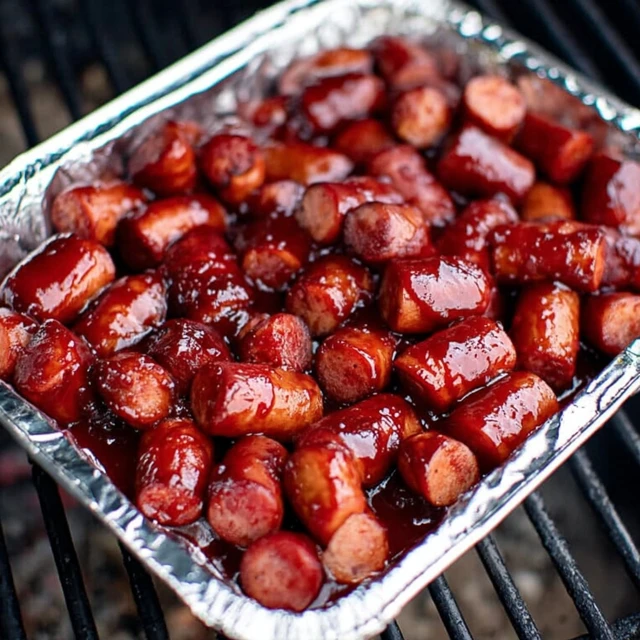
- Sauce is thick and tacky, not watery
- Edges look dark and caramelized
- Burnt ends hold their shape when stirred
Grill Method (Quick Overview)
- Set grill for indirect heat at 250–275°F
- Use a foil pan and follow the same steps
- Add wood chips for extra smoke flavor
Smoker vs Grill
Both a smoker and a grill can produce delicious hot dog burnt ends, but each method has its own strengths. This quick comparison helps readers choose the best option for their setup—reducing friction and boosting engagement.
Smoker vs Grill Comparison Table
| Feature | Smoker | Grill |
|---|---|---|
| Smoke Flavor | Deep, rich, authentic BBQ | Lighter (can be boosted with wood chips) |
| Temperature Control | Excellent | Moderate |
| Cook Time | ~1½ hours | ~1–1¼ hours |
| Ease for Beginners | Very easy | Easy |
| Best For | BBQ lovers, weekend cooks | Quick backyard cooks |
Which Method Should You Choose?
- Choose a smoker if you want maximum smoky flavor and glossy caramelization
- Choose a grill if you want faster results with minimal setup
- Both methods create sticky, crowd-pleasing burnt ends
Pro Tip
No smoker? A grill with indirect heat + wood chips still delivers excellent BBQ flavor—perfect for first-time burnt ends.
Best Wood for Smoking
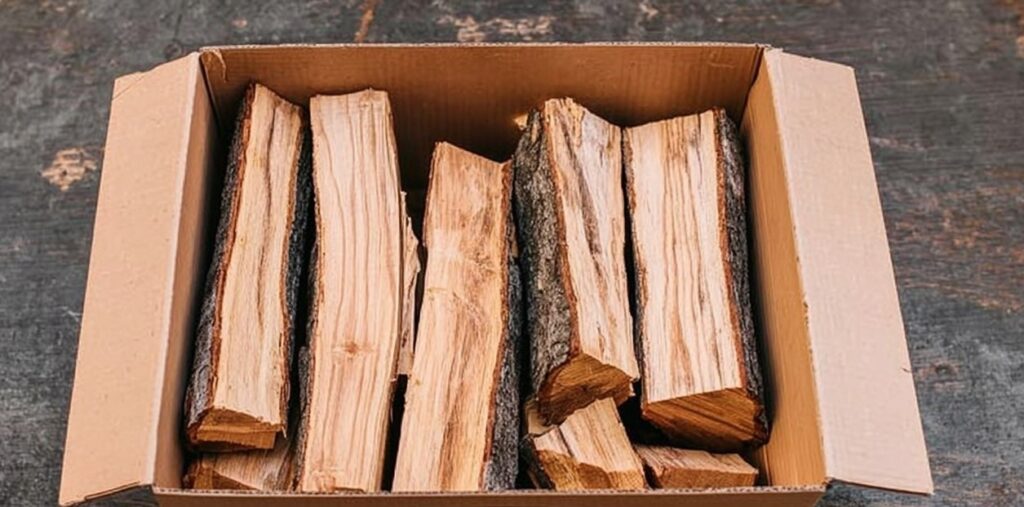
Choosing the right wood is key to getting balanced smoke flavor without overpowering the hot dogs. Since hot dogs absorb smoke quickly, milder woods work best.
Best Wood Options (Ranked)
Applewood (Top Choice)
- Mild and slightly sweet
- Perfect for hot dogs and sausages
- Adds beautiful color without bitterness
Cherry Wood
- Subtle smoke with rich color
- Pairs well with sweet BBQ sauces
Pecan
- Smooth, nutty flavor
- Great middle ground between mild and bold
Hickory (Use Lightly)
- Classic BBQ flavor
- Use sparingly to avoid overpowering
Woods to Avoid
- Mesquite (too strong and bitter for hot dogs)
- Heavy blends meant for brisket
How Much Wood to Use
- Small chunk or light handful of chips
- Clean, thin blue smoke is the goal
- Too much smoke = harsh flavor
Pro Tips for Sticky, Caramelized Hot Dog Burnt Ends
These simple pro tips make the difference between good hot dog burnt ends and irresistible, glossy, BBQ-style perfection.
Expert BBQ Tips
- Use thick hot dogs
Thicker cuts hold their shape better and caramelize without drying out. - Don’t rush the sauce stage
The final 30–40 minutes is where the magic happens. Let the sauce tighten naturally. - Finish uncovered
Keeping the pan uncovered allows moisture to evaporate and the glaze to stick. - Stir gently, not often
Stirring too much breaks the pieces and thins the glaze. - Watch the sugar
If edges darken too fast, lower heat slightly to avoid burning.
Texture Check (How to Know They’re Perfect)
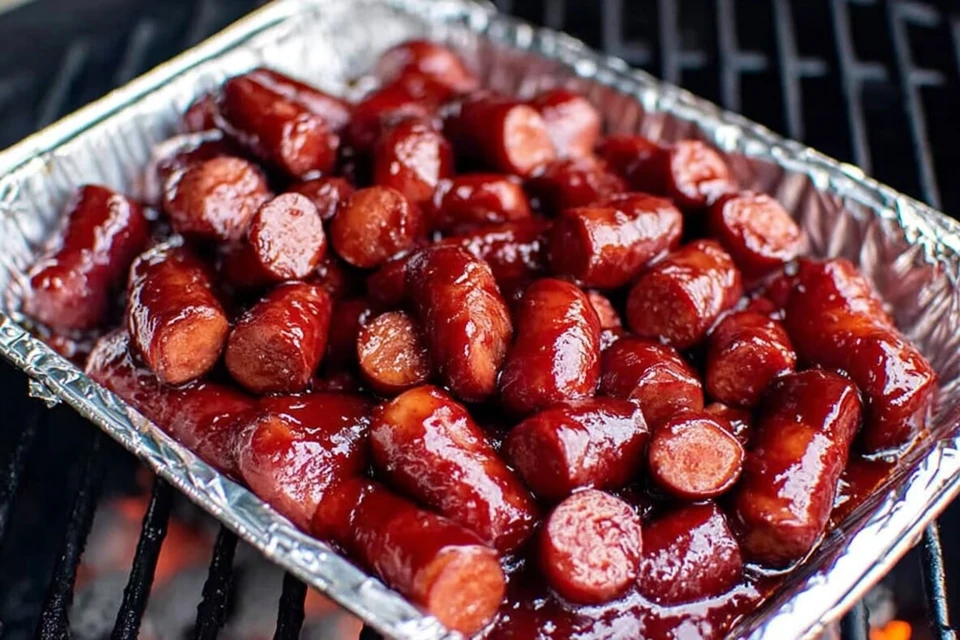
- Sauce clings to each piece
- Edges look dark and glossy, not wet
- Burnt ends feel sticky—not saucy—when touched
Flavor Variations for Hot Dog Burnt Ends
One of the best things about hot dog burnt ends is how easy they are to customize. Use these flavor variations to match your BBQ style or crowd preferences.
Sweet & Spicy
- Add ½–1 teaspoon chili flakes
- Use a spicy BBQ sauce
- Optional splash of hot sauce at the sauce stage
Perfect for heat lovers
Honey BBQ
- Replace brown sugar with honey
- Use a sweet BBQ sauce
- Finish with a light honey drizzle
Sticky, glossy, and kid-friendly
Sweet & Smoky
- Add ½ teaspoon smoked paprika
- Use hickory or cherry wood
- Choose a smoky-style BBQ sauce
Classic BBQ flavor profile
Kansas City–Style
- Thick molasses-based BBQ sauce
- Extra brown sugar
- Longer sauce stage for deep caramelization
Bold and traditional
Lower-Sugar Option
- Use sugar-free BBQ sauce
- Reduce brown sugar by half
- Expect less stickiness but great flavor
Serving Ideas for Hot Dog Burnt Ends
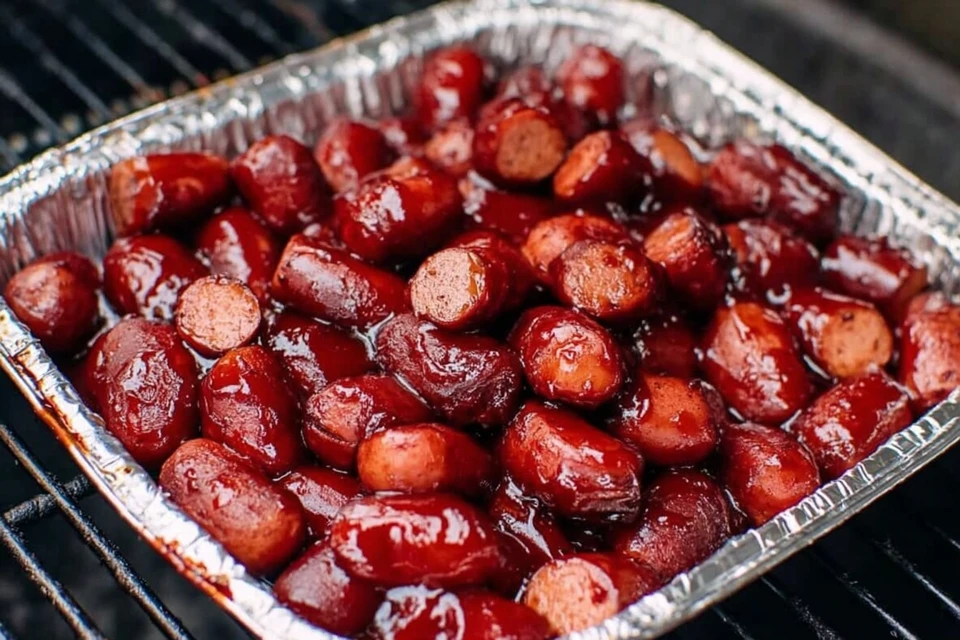
Hot dog burnt ends are incredibly versatile and fit right into almost any BBQ spread. Whether you’re hosting a backyard cookout or planning game day snacks, these serving ideas make them shine.
How to Serve Them
- BBQ Appetizer Platter
Serve hot dog burnt ends straight from the smoker with toothpicks and extra BBQ sauce for dipping. - Slider Style
Pile burnt ends onto mini buns with coleslaw for an easy BBQ slider. - Game Day Snack
Add them to a tray with wings, chips, and dips for a crowd-pleasing spread. - Loaded Fries or Nachos
Spoon burnt ends over fries or nachos, drizzle with cheese sauce, and finish with green onions. - Rice or Mac & Cheese Topping
Use them as a smoky topping for comfort food favorites.
Serving Tip
Hot dog burnt ends are best served hot and sticky, right after cooking. If they sit too long, pop them back on the grill for a few minutes to re-tighten the glaze.
FAQs
Can I make hot dog burnt ends without a smoker?
Yes. A grill using indirect heat works perfectly. Set the grill to 250–275°F and follow the same steps using a foil pan. Adding wood chips will boost smoky flavor.
How long do hot dog burnt ends take on a smoker?
Hot dog burnt ends take about 1½ hours total:
45–60 minutes to smoke
30–40 minutes to sauce and caramelize
What type of hot dogs work best?
Thick, all-beef hot dogs work best. They hold their shape, absorb smoke well, and caramelize better than thin or low-fat varieties.
What BBQ sauce is best for burnt ends?
A thick, sweet-style BBQ sauce works best. Kansas City–style sauces caramelize beautifully and create that sticky glaze burnt ends are known for.
Can I make hot dog burnt ends ahead of time?
Yes. Store leftovers in an airtight container in the fridge for up to 3 days. Reheat on the grill or smoker to restore the glaze.
Recipe
Hot Dog Burnt Ends (Smoker or Grill)
These hot dog burnt ends are a fun, budget-friendly BBQ twist on classic burnt ends, made easily on a smoker or grill. Bite-sized hot dogs are smoked low and slow, then coated in a sweet, sticky BBQ glaze until caramelized and glossy. Smoky, saucy, and irresistibly flavorful, this easy recipe is perfect for game day, backyard cookouts, or anytime you want big BBQ flavor without the long cook time.
Ingredients
- 2 lb (900 g) all-beef hot dogs, thick-style
- ½ cup (100 g) brown sugar (light or dark)
- 2 Tbsp (20 g) BBQ dry rub (sweet or smoky)
- 4 Tbsp (60 g) unsalted butter, cubed
- ¾ cup (180 ml) BBQ sauce (thick, Kansas City–style recommended)
- 1 Tbsp (20 g) honey (optional, for extra glaze)
- ½ tsp (1.5 g) garlic powder
- ¼ tsp (0.5 g) black pepper
- Optional: pinch of chili flakes
Instructions
Instructions (Smoker Method)
- Preheat smoker to 225–250°F (107–121°C). Use apple, cherry, or pecan wood.
- Slice hot dogs into 4 cm (1½-inch) bite-sized pieces.
- Place hot dogs in a disposable foil pan. Add brown sugar, BBQ rub, and butter cubes. Toss gently to coat.
- Smoke uncovered for 45–60 minutes, stirring once halfway through.
- Add BBQ sauce, honey (if using), garlic powder, and black pepper. Stir gently.
- Return pan to smoker uncovered and cook for 30–40 minutes, until sticky, glossy, and caramelized.
- Remove from smoker and serve hot.
Instructions (Grill Method)
- Set grill for indirect heat at 250–275°F (120–135°C).
- Place foil pan over indirect heat and follow the same steps as the smoker method.
- Add soaked wood chips (optional) for extra smoky flavor.
- Cook until sauce is thick and tacky.
Notes
Serving Suggestions
Serve as a BBQ appetizer, in sliders, or over loaded fries, nachos, or mac & cheese.
Nutrition Information:
Yield: 4 Serving Size: 1Amount Per Serving: Calories: 320Total Fat: 20gCarbohydrates: 26gProtein: 10g
Nutrition is an estimate and may vary based on ingredients used.
If you’re craving big BBQ flavor without the long cook time or high cost, hot dog burnt ends are the ultimate solution. Smoked low and slow or cooked on a grill with indirect heat, these bite-sized BBQ treats deliver everything you love about classic burnt ends—smoky flavor, sticky glaze, and caramelized edges—using simple, affordable ingredients.
Whether you’re planning a backyard BBQ, game day spread, or an easy crowd-pleasing appetizer, hot dog burnt ends are guaranteed to be a hit. They’re quick to prep, endlessly customizable, and perfect for sharing. Once you try them on your smoker or grill, they’ll earn a permanent spot in your BBQ rotation.